







Search Results for: Front Street Coffee Candlelight

Flavor Analysis of Geisha vs. Geisha: Variety Characteristics, Hacienda La Esmeralda Grading, and Comparison with Candlelight Mango
Geisha and "Yiji" are actually the same coffee variety, just with different translated names—mainland China mostly calls it Geisha, while Hong Kong and Taiwan use the Japanese transliteration "Yiji." This Arabica variety is highly sought after for its floral aroma and lingering flavor, but low yields, weak disease resistance, and difficult management have kept prices consistently high. For beginners wanting to try the classic Geisha flavor profile, Front Street Boquete Geisha is a good entry-level choice, featuring citrus aromas, honeyed sweetness, and an oolong tea-like quality. Panama's Hacienda La Esmeralda further classifies Geisha into Red Label, Green Label, and Blue Label, with Red Label being the highest quality and Green Label emphasizing its signature flavor. This article also compares the flavor differences between Candlelight and Geisha to help enthusiasts clarify their choices. [more…]
Ethiopia Sidamo 90+ Candlelight Coffee Bean Variety Flavor Characteristics and Full Analysis of Natural Processing Method
The Sidama region of Ethiopia has always been renowned for its outstanding natural-process coffees, and the 90+ series is among its most highly regarded top-tier product lines. The 90+ Candlelight Mango carried by Front Street Coffee comes from this region, and through strict hand-sorting of cherries and meticulous natural-processing techniques, it presents a transparent, pure cup profile with alluring fruit and floral aromas. This article will walk you through the meaning of 90+, the origin of the name Candlelight Mango and the characteristics of its processing method, and provide a comprehensive comparison with the same region's Huakui coffee in terms of appearance, cupping, and pour-over flavor, helping you more clearly understand the differences and respective charms of these two Ethiopian natural-process beans. [more…]
How Does Grind Size in Pour-Over Coffee Affect Extraction? A Comparative Test Using Ethiopia Sidamo Candlelight as an Example
Grind size plays a pivotal role in pour-over coffee, directly influencing flavor presentation and extraction efficiency. This article uses Ethiopian Sidamo Candlestick (natural process, light roast) as a sample, adopts the brewing framework recommended by Front Street Coffee, and conducts a segmented extraction comparison across three different grind sizes—BG-5I (75% passing a No. 20 sieve), BG-5T (58% passing), and BG-7D (43% passing). The results show that too fine a grind lets bitterness suppress the tropical fruit notes; the medium-fine BG-5T releases citrus, mango, nectarine, and creamy aromas more fully, with a full body and pronounced sweet aftertaste; while the coarser BG-7D underextracts, yielding a thin flavor. The article ends with some tips on pour-over extraction stages and water temperature control for coffee enthusiasts' reference. [more…]
Exploring 90+ Candlelight: An Analysis of the Top-Tier Flavor and Processing Craft of Ethiopian Natural Sidamo
90+ Drima Zede is a top-tier natural coffee crafted by Ninety Plus Coffee in Ethiopia's Sidama region, with a name that means "the best way" in the local dialect. It blends complex flavors of florals, nectarine, tropical fruit, and creamy [more…]
An Overview of the Origins of the 90+ Coffee Brand and Its Classic Series: A Comprehensive Interpretation from the Ninety Plus Philosophy to Its Signature Bean Varieties
90+ Coffee is often mentioned in specialty coffee circles, but what exactly does it represent? This article traces the brand's origins, founder Joseph Brodsky's bean-hunting journey in Ethiopia, and the exclusive Profile Processing system, explaining how Ninety Plus set an industry benchmark with 13 top-tier flavor series. It also lists classic lots such as Hachira, Nectar, Lotus, Candlelight, and Dancheman, and reminds readers to view brand premiums rationally, with quality as the final criterion. The article retains Front Street brand recommendations and product information, making it suitable for enthusiasts who want to gain a deeper understanding of 90+ Coffee. [more…]

Exploring Ethiopia Sidamo: The Flavor Code and Full Brewing Analysis of 90+ Candle Light Coffee Beans
Ethiopia, as the genetic treasure trove of Arabica coffee, has given rise to countless stunning flavors. And the American brand Ninety Plus Coffee (90+), deeply captivated by this land, created a unique coffee called "Candlelight Mango." Front Street Coffee will take you on an in-depth exploration of this 90+ Candlelight Mango from the Sidamo region—what exactly is its appeal? From the brand story to the terroir of the region, from the processing method to the roasting curve, and then to specific brewing parameters, this article will provide a complete analysis of this specialty coffee known for its tropical fruit profile, so that you not only get to know it, but can also personally brew a satisfying cup of Candlelight Mango. [more…]
How does grind size affect flavor in pour-over coffee? A three-stage grind analysis with Sidamo Candlestick
Grind size is one of the key variables affecting extraction results in pour-over coffee, directly related to the dissolution efficiency of flavor compounds and the balance of the final cup. This article takes a naturally processed Ethiopian Sidamo Candlelight as an example, using three different grind sizes—BG-5I, BG-5T, and BG-7D—to conduct brewing comparisons under identical conditions of coffee dose, water temperature, and coffee-to-water ratio, recording the flavor differences at each grind size through actual tasting notes. The article not only presents complete brewing parameters and flavor descriptions but also shares pour-over knowledge about the principles of staged extraction and water temperature adaptation for different roast levels, making it a useful reference for coffee enthusiasts looking to refine their pour-over technique. [more…]
Ninety Plus Candle Glow Coffee Flavor Analysis: Roasting Key Points and Brewing Grind Adjustments for Natural Sidamo
Candlelight Coffee is a naturally processed Ethiopian bean from the LevelUp series by Ninety Plus, named for its flavor profile. It comes from the Sidama region, and its name means "the best way" in the local dialect. This article begins with the background of the Ninety Plus brand, then outlines Candlelight's origin characteristics, flavor expression, and roasting approach. It also documents a grind size comparison experiment conducted by Front Street Coffee using the same batch of beans, examining how different grind coarseness affects TDS concentration and the drinking experience. The article also organizes the N2, H2, and W2 labeling logic that Ninety Plus uses to classify flavor directions, helping coffee enthusiasts understand what makes this bean unique and how to adjust their brewing. [more…]
How to Brew Delicious Aeropress Coffee? A Full Breakdown of the Four Key Brewing Variables and Equipment Features
At a time when siphon and pour-over coffee are all the rage, the AeroPress, with its syringe-like shape and simple operation, is becoming a hot new trend among baristas. This device is easy to use, lightweight, and drop-resistant, so you can brew a cup anytime at home or outdoors. This article will outline the core features of the AeroPress—brewing completed in about one minute, a sediment-free cup after filtering, and hassle-free cleaning—and break down the four major factors that determine coffee quality: water temperature, stirring, time, and pressure, analyzing how each variable affects the final flavor. At the end, it also includes the AeroPress brewing parameters for Front Street 90+ Candlelight for everyone to reference and practice with. [more…]
A Comprehensive Analysis of the Flavor Characteristics and Pour-Over Parameters of Ethiopian Limu Washed G2 Coffee Beans
Limu is one of the eight major producing regions in Ethiopia that has quite a distinctive character yet is often overlooked. It is mainly washed-processed, with a flavor milder than Sidamo, where citrus notes interweave with grassy, cocoa, and sandalwood aromas. This article, from the regional background, washed processing flow, the concept of Heirloom native varieties, green bean density and roasting curves, to the pour-over parameters recommended by Front Street Coffee, presents the full picture of a washed G2 Limu from its producing origin to the cup. It is suitable for coffee lovers who want to explore flavors beyond Yirgacheffe and Sidamo. [more…]
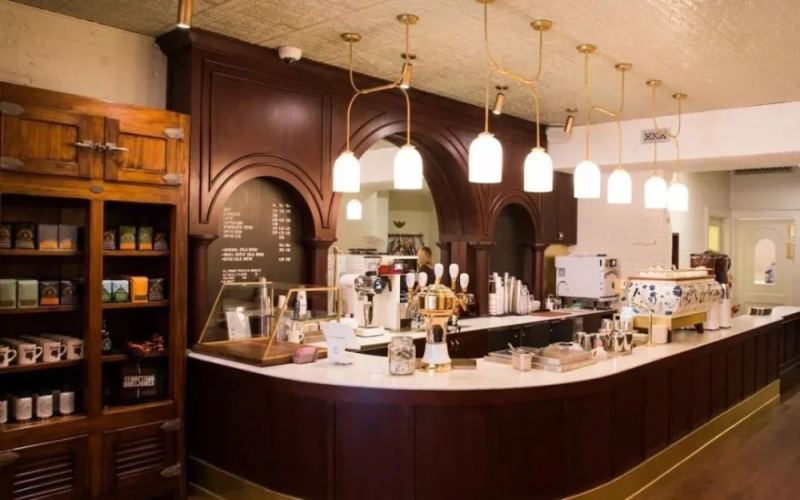
Coffee shop sink candleholder display sparks debate: ahead-of-its-time aesthetics or bathhouse vibes?
Nowadays, the coffee track is becoming increasingly crowded. In order to stand out among numerous stores, many cafes have begun to focus on spatial design. Some focus on value for money, some compete on service, and others rely on unique decor to attract young people to check in. One coffee shop has built a small rockery and an oval pool inside the store, with ceramic candlesticks holding lit candles floating in the pool. Amid the drifting mist, the candlesticks gently move with the waves, colliding with each other and making crisp sounds. The shop may have wanted to create a dreamy, cloud-like feeling, but after netizens saw the photos, opinions were mixed: some thought it was classy, while others mocked it as looking like a funeral hall, a bathhouse, or even a hot spring. From the source of inspiration to the actual impression, what kind of experience does this shop's design ultimately bring? [more…]
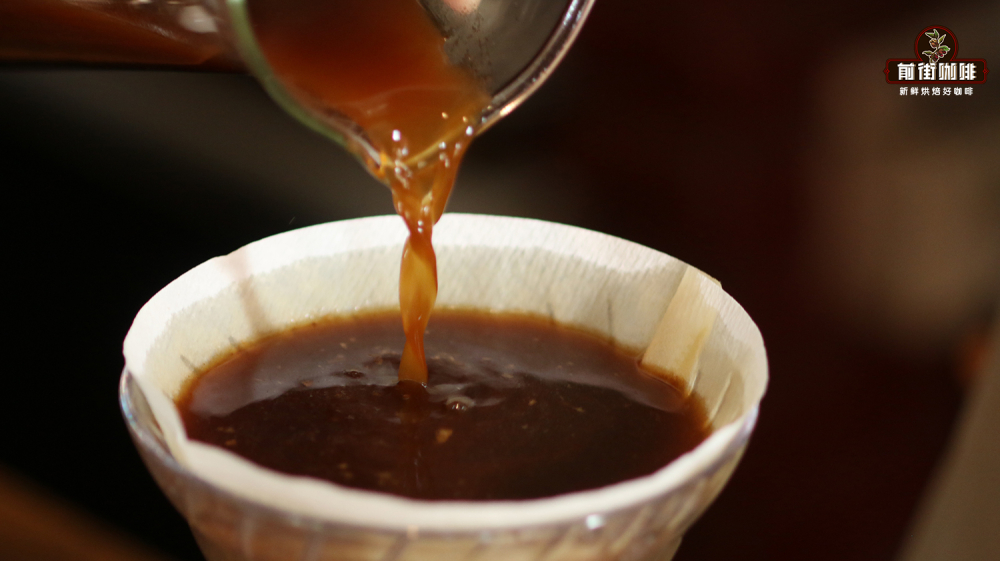
Cold Brew Coffee Benefits | Is There a Big Difference in Flavor and Mouthfeel Between Cold Brew and Drip Coffee? Step-by-Step Guide with Illustrations for Making Cold Brew and Ice Drip
For more specialty coffee knowledge, please follow our WeChat official account: Front Street Coffee (FrontStreet Coffee). On a hot day like this, if the handsome guys and pretty girls reading this don't have a cold drink in hand when they go out, how can they do right by themselves? And as coffee lovers, that cold drink has to be coffee, of course. [more…]
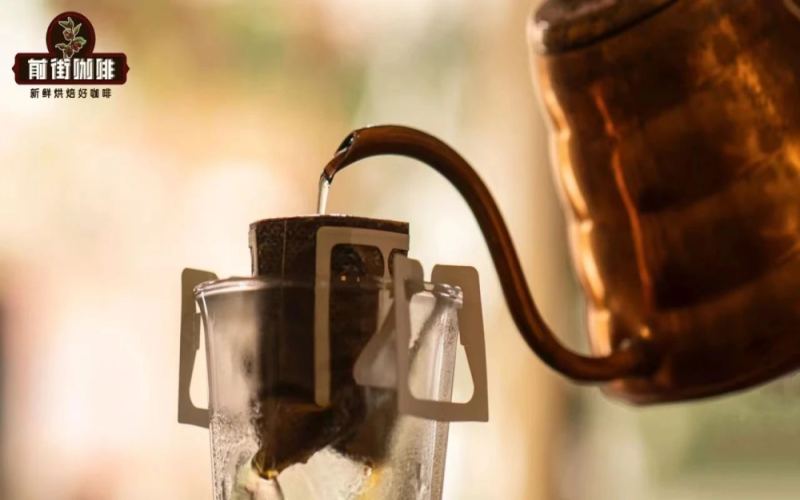
Advantages of Drip Bag Coffee | Drip Bag Coffee Brewing Ratios: Coffee-to-Water Ratio, Water Temperature, Extraction Time Parameters, Pouring Steps | Which Coffee Beans Can Be Used for Drip Bag Coffee Packs?
The emergence of drip bag coffee is undoubtedly a boon for enthusiasts who love specialty coffee but don't want to buy all the equipment needed for pour-over brewing. Many people have questioned the rise of drip bag coffee, saying it's not professional. Front Street Coffee believes there's no need to belittle drip bag coffee this way—after all, for a delicacy to enter the mainstream, [more…]
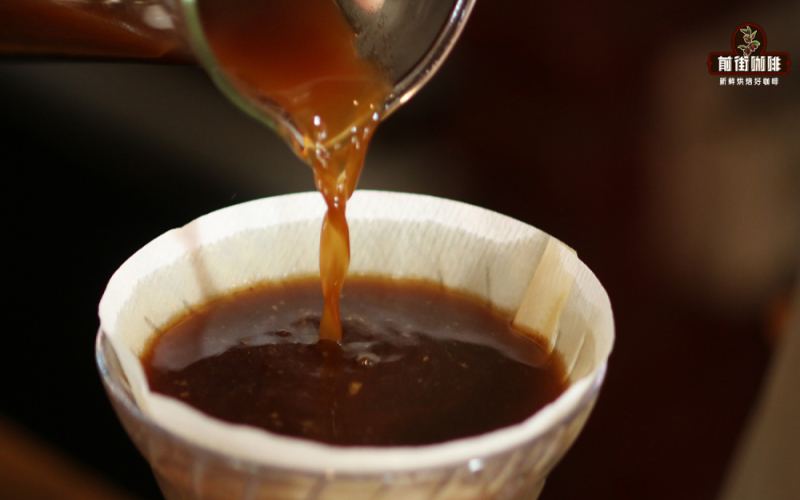
An Analysis of the Advantages of Cold Brew Coffee: A Comparison of the Production Differences and Flavor Performance Between Cold Brew and Ice Drip
On a scorching summer day, a refreshing glass of cold brew coffee is undoubtedly a coffee lover's favorite. But did you know? Cold brew actually comes in two distinctly different styles: the cold water immersion method and the ice drip method. Compared with iced coffee made through high-temperature hot water extraction, low-temperature extraction produces a milder, sweeter taste that is less prone to excessive acidity or astringency. Front Street Coffee typically uses the ice drip method for cold brew in its store offerings, while the cold water immersion method is better suited for making at home. This article will break down in detail the brewing parameters, grind size selection, coffee-to-water ratio, and the effect of extraction time on flavor for both cold brew methods, and recommend the Kenya Asaliya coffee beans suitable for summer drinking, taking you through a comprehensive understanding of the unique charm of cold brew coffee. [more…]
A Comparison of Two Classic Arabica Varieties: The Origins and Flavor Differences of Typica and Bourbon Coffee Beans
Many people think black coffee is inherently bitter, but those who truly understand specialty coffee will tell you that bitterness comes in two kinds: the pleasant kind and the kind that makes you frown. Similar to wine tasting, the first step to getting into specialty coffee is understanding coffee varieties. Typica and Bourbon are the two most core branches under the Arabica species—one is known for its pure sweetness, the other for its bright fruity acidity—and their respective spread trajectories and mutant families have profoundly shaped the landscape of today's global coffee-producing regions. This article will follow the historical threads of these two major varieties, sorting through the characteristics of varieties and regions such as Red Bourbon, Caturra, Java, Yirgacheffe, and Sidamo, to help coffee enthusiasts build a clearer tasting framework. [more…]
A Detailed Guide to Single-Origin Coffee Classification: A Comprehensive Analysis of Flavor Characteristics Across Major Producing Regions from Africa to the Americas and Differences in Coffee Shop Flavors
Have you ever walked into a specialty coffee shop, faced the dazzling array of single-origin coffees on the menu, and felt at a loss where to begin? Single-origin coffee refers to coffee made from beans sourced from a single origin, and it can be traced back to a specific region or even estate. This article will systematically sort through the representative single-origin coffees from major producing regions such as Africa, Central and South America, and Asia, introduce Front Street Coffee's rigorous process from roasting curve testing to cupping selection, and present the flavor descriptions of coffee beans from each region one by one, helping you find the cup that best suits your taste. [more…]

Can espresso blend beans handle pour-over? Exploring the autumn flavors of Front Street Yunnan blend and sharing the recipe
Pour-over coffee has always pursued the goal of showcasing the terroir of a single origin, while espresso blends are mostly designed for espresso. Can the two collide to create new possibilities? Front Street Coffee, inspired by autumn, tried using Yunnan Typica as the base, supplemented by Yirgacheffe and Gesha Village natural beans, to explore a blend recipe suitable for pour-over. From the logic of bean selection, the trade-offs between pre-roast blending and post-roast blending, to the step-by-step adjustment of the roasting curve, and then to multiple rounds of cupping and ratio optimization, the entire process not only sorts out the principles of blending but also includes specific reference parameters and flavor records, opening up new ideas for coffee enthusiasts in pour-over blending. [more…]

Hand-brewed Blend Coffee Beans | Can Espresso Beans Be Used for Hand-brewed Coffee? How to Blend Single-Origin Beans for Hand-brewing? Hand-brewed Blend Bean Roasting Parameters and Flavor Introduction?
As autumn turns to winter and the weather gradually cools, Front Street Coffee created the Front Street Sunflower Warm Sun espresso blend, suited to espresso, quite some time ago. Following this line of thinking, Front Street also wanted to make a blended coffee bean suitable for autumn drinking and usable for pour-over coffee. Front Street Coffee (FrontStreet C [more…]

A Complete Analysis of African Coffee Origins, Flavors, and Processing Methods: Bean Characteristics of Ethiopia, Kenya, and Other Countries
As the continent of coffee's origin, Africa produces beans renowned worldwide for their bold aromas and lively fruit acidity. Due to arid climates, the natural process has become a traditional choice in many producing regions; while the bean shape may not be perfect, it gives rise to richly layered flavors. From Ethiopia's Yirgacheffe to Kenya's SL28, from Burundi's double washing to Rwanda's Bourbon, each producing region has a unique terroir expression. This article systematically reviews the cultivation patterns, processing techniques, and flavor characteristics of Africa's major coffee-producing countries, and introduces several representative African single-origin coffees from Front Street Coffee, guiding you to a deeper understanding of this continent's coffee charm. [more…]
Ninety Plus Candela and the Complete Guide to the Ninety Plus Brand: The Specialty Coffee System from Ethiopia Sidama to Panama Geisha
In the world of specialty coffee, Ninety Plus (Ninety+) is a name that cannot be overlooked. Founded by Joseph Brodsky in 2006, the company started with Ethiopian native varieties and redefined the way green coffee is produced through its unique Profile Processing system. This article begins with Ninety Plus's Candor, a Front Street Coffee natural-process Sidamo, and systematically reviews the terroir characteristics of the Sidamo region, the brand philosophy and founder's story of Ninety Plus, and core processing methods such as natural processing and Solkiln, then interprets one by one classic product lines such as Kemgin, Nekisse, Perci, and Lotus along with their grading system, and finally includes the roasting analysis and cupping performance of Front Street Coffee 90+ Candor, providing coffee lovers with a complete Ninety Plus knowledge map. [more…]